Hand-Guided Machine Quilting

Quilting is more than just a craft; it is an art form that combines creativity, precision, and a touch of personal expression. Among the various techniques available, hand-guided machine quilting stands out as a unique method that allows quilters to infuse their personality into each stitch. This blog post will explore the intricacies of hand-guided machine quilting, its benefits, techniques, and tips for both beginners and seasoned quilters.

Understanding Hand-Guided Machine Quilting
Hand-guided machine quilting involves using a sewing machine to create quilt designs by guiding the fabric manually. Unlike computerized quilting, where the machine follows a pre-set pattern, hand-guided quilting allows for more freedom and creativity. This technique can produce intricate designs that reflect the quilter's style and vision.
The Benefits of Hand-Guided Machine Quilting
Creative Freedom
Hand-guided quilting allows quilters to express their creativity without the constraints of a machine's programming. You can create unique patterns, adjust designs on the fly, and experiment with different styles.
Personal Touch
Each quilt made with hand-guided techniques carries the personal touch of the quilter. This method allows for imperfections that add character and charm, making each piece truly one-of-a-kind.
Skill Development
Practicing hand-guided quilting helps improve your sewing skills. You learn to control the fabric and machine better, enhancing your overall quilting abilities.
Versatility
This technique can be applied to various projects, from small wall hangings to large bed quilts. You can also use it on different fabric types, allowing for a wide range of creative possibilities.
Satisfaction
There is a unique satisfaction that comes from creating something with your own hands. Hand-guided quilting can be a meditative process, providing a sense of accomplishment as you see your design come to life.
Getting Started with Hand-Guided Machine Quilting
Choosing the Right Equipment
Before diving into hand-guided machine quilting, it is essential to have the right tools. Here are some key items you will need:
Sewing Machine: A machine with a free-motion quilting foot is ideal for this technique. Look for one that allows you to drop the feed dogs, giving you full control over the fabric.
Quilting Foot: A free-motion foot or darning foot is necessary for hand-guided quilting. This foot allows you to move the fabric freely in any direction.
Quality Thread: Choose high-quality thread that complements your fabric. Cotton thread is a popular choice for quilting due to its durability and ease of use.
Fabric: Select fabrics that are suitable for quilting. Cotton is the most common choice, but you can experiment with blends and other materials.
Batting: The batting provides warmth and structure to your quilt. Choose a batting that suits your project, whether it's cotton, polyester, or a blend.
Preparing Your Quilt Sandwich
Before you start quilting, you need to prepare your quilt sandwich, which consists of three layers:
Top Layer: This is the quilt top that you have pieced together.
Batting Layer: Place the batting on top of the backing fabric.
Backing Layer: The backing fabric should be larger than the quilt top to allow for quilting.
Once you have your layers stacked, use safety pins or basting spray to secure them together. This will prevent shifting while you quilt.
Techniques for Hand-Guided Machine Quilting
Free-Motion Quilting
Free-motion quilting is the most common technique used in hand-guided machine quilting. Here’s how to get started:
Set Up Your Machine: Attach the free-motion foot and lower the feed dogs.
Adjust the Tension: Ensure that your thread tension is set correctly for the type of thread you are using.
Practice: Before starting on your quilt, practice on a scrap piece of fabric. This will help you get comfortable with the motion and speed.
Start Quilting: Begin by moving the fabric in any direction to create your desired design. Focus on maintaining a steady speed and consistent pressure.
Stippling
Stippling is a popular free-motion technique that creates a meandering pattern. It is often used to fill spaces and add texture to quilts. To create stippling:
Move the fabric in a continuous motion, creating loops and curves.
Keep your stitches even and consistent in size.
Practice on scrap fabric to develop your technique.
Echo Quilting
Echo quilting involves stitching around a shape or design to create a series of concentric lines. This technique adds depth and dimension to your quilt. To achieve echo quilting:
Choose a shape or design to echo.
Start stitching around the shape, gradually moving outward.
Maintain an even distance between each line for a polished look.
Custom Designs
As you become more comfortable with hand-guided machine quilting, you can start creating custom designs. Consider using templates or drawing your patterns on paper before transferring them to fabric. This will help you visualize your design and make adjustments as needed.
Tips for Successful Hand-Guided Machine Quilting
Take Your Time
Hand-guided quilting requires patience. Don’t rush the process; take your time to ensure each stitch is placed correctly.
Maintain a Steady Speed
Consistency is key. Try to maintain a steady speed while guiding the fabric to achieve even stitches.
Use the Right Needle
A quilting needle is designed to handle multiple layers of fabric and batting. Choose the appropriate size based on your fabric thickness.
Practice Regularly
The more you practice, the better you will become. Set aside time to practice different techniques and designs.
Stay Relaxed
Tension in your hands or body can affect your quilting. Take breaks and stretch to stay relaxed while you work.
Common Challenges and Solutions
Thread Bunching
If you experience thread bunching, it may be due to incorrect tension. Check your machine's tension settings and ensure that you are using the right needle and thread combination.
Uneven Stitches
Uneven stitches can result from inconsistent speed or tension. Focus on maintaining a steady pace and adjust your machine's tension if necessary.
Fabric Shifting
If your fabric shifts while quilting, consider using a walking foot or basting your layers more securely. You can also try using a spray adhesive to hold the layers in place.
Conclusion
Hand-guided machine quilting is a rewarding and creative process that allows you to express your individuality through fabric. With the right tools, techniques, and a bit of practice, you can create stunning quilts that showcase your unique style. Remember to enjoy the journey, embrace the learning process, and let your creativity shine. Whether you are a beginner or an experienced quilter, hand-guided machine quilting offers endless possibilities for artistic expression. So gather your materials, set up your machine, and start stitching your next masterpiece!
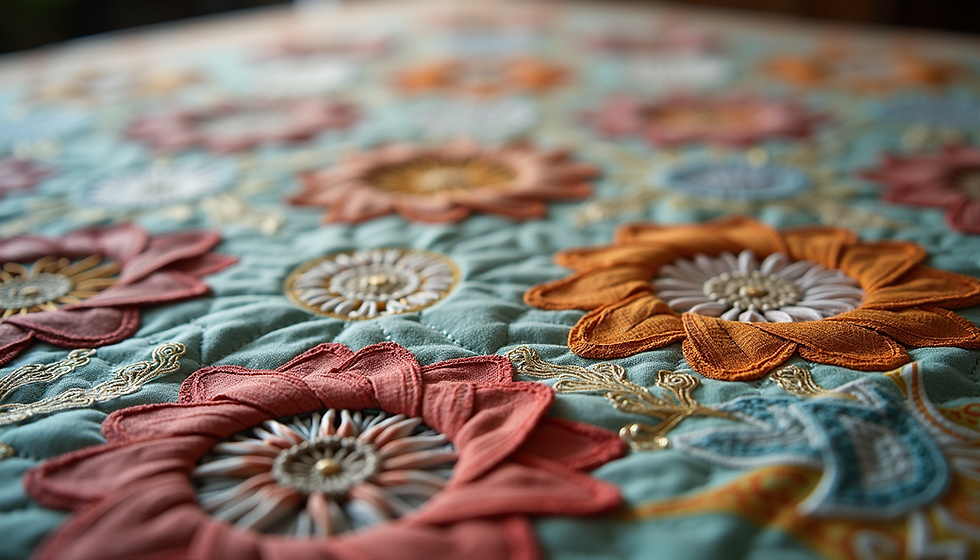

Reading about hand‑guided machine quilting instantly took me back to the summer I spent in my grandma’s attic, where she kept a vintage sewing machine that still had a little lever for manual control. I would sit on a stool, feed the fabric through, and gently guide the needle with my fingertips, feeling every stitch as it formed a tiny, perfect square. The rhythm was oddly soothing, like a quiet conversation between hand and machine https://iabaustralia.com.au/ When the pattern got complex, I’d pause, adjust the tension, and let the machine take over just enough to keep the design flowing. That blend of control and automation is exactly what your post celebrates, and it reminded me how satisfying it is to…